Performing arts as a democratic force
June 12, 2026
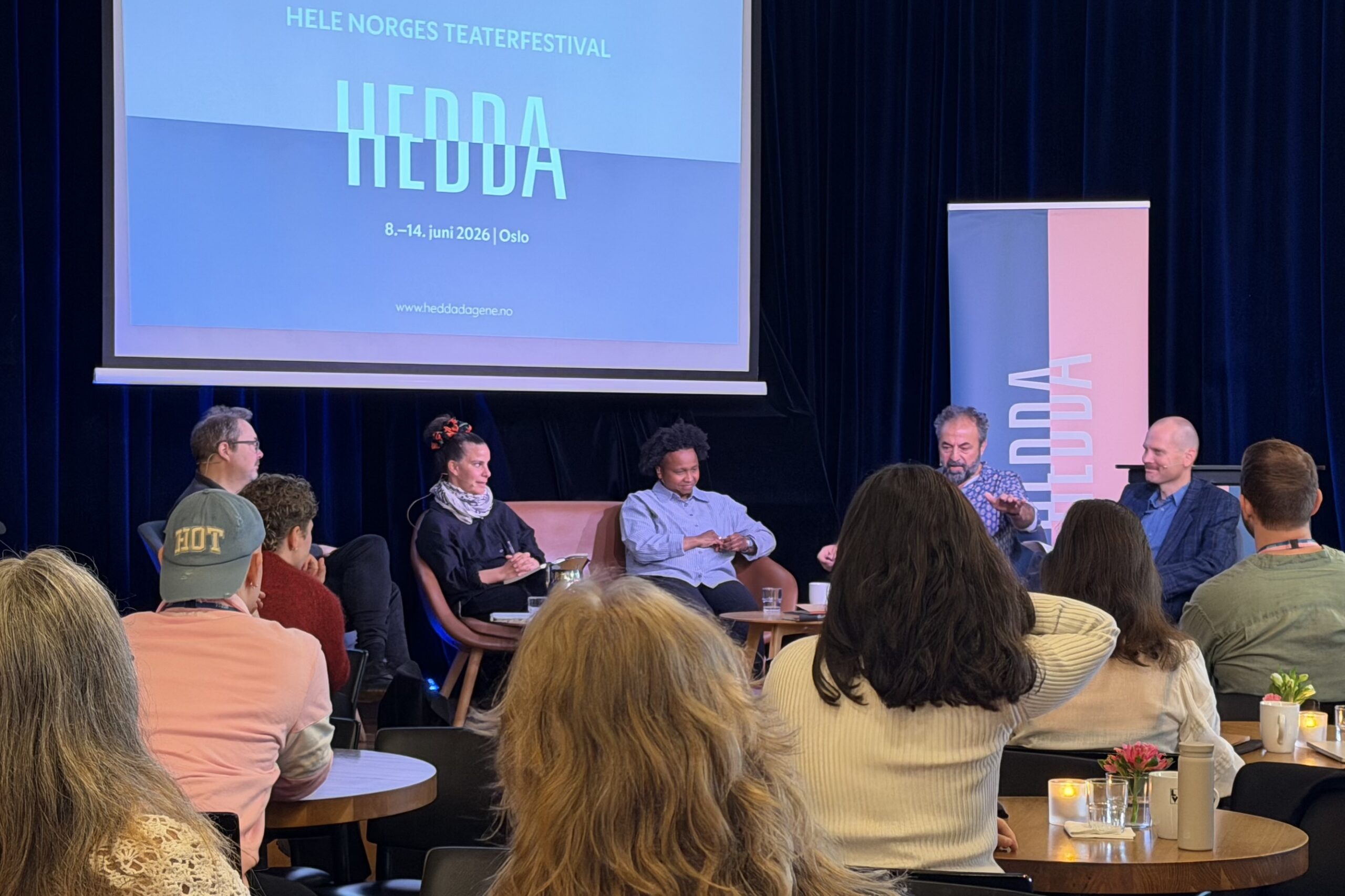
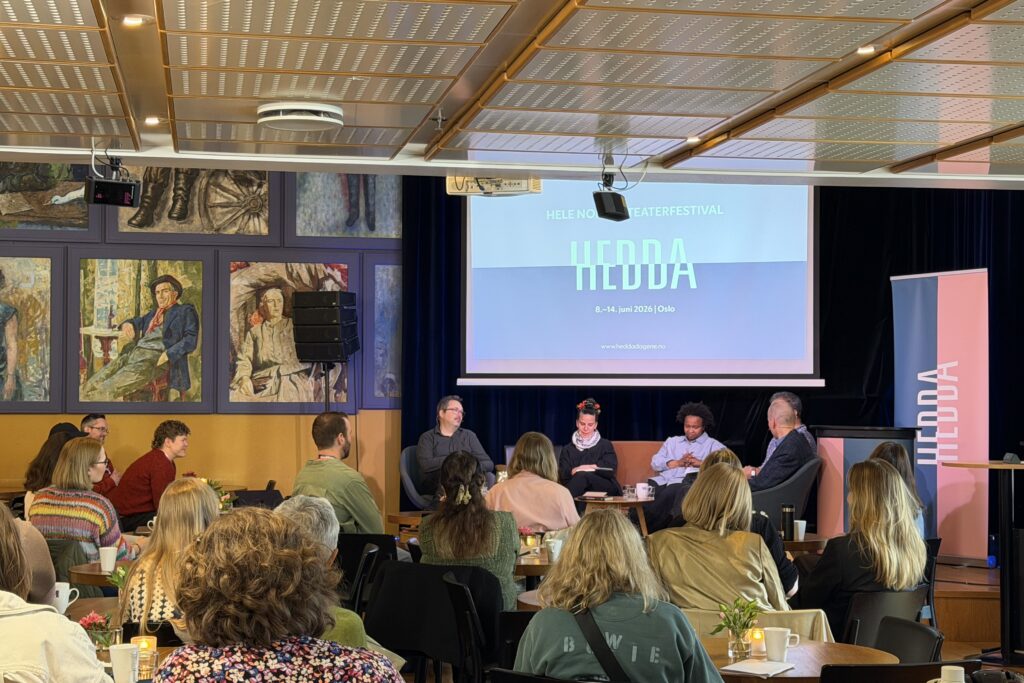
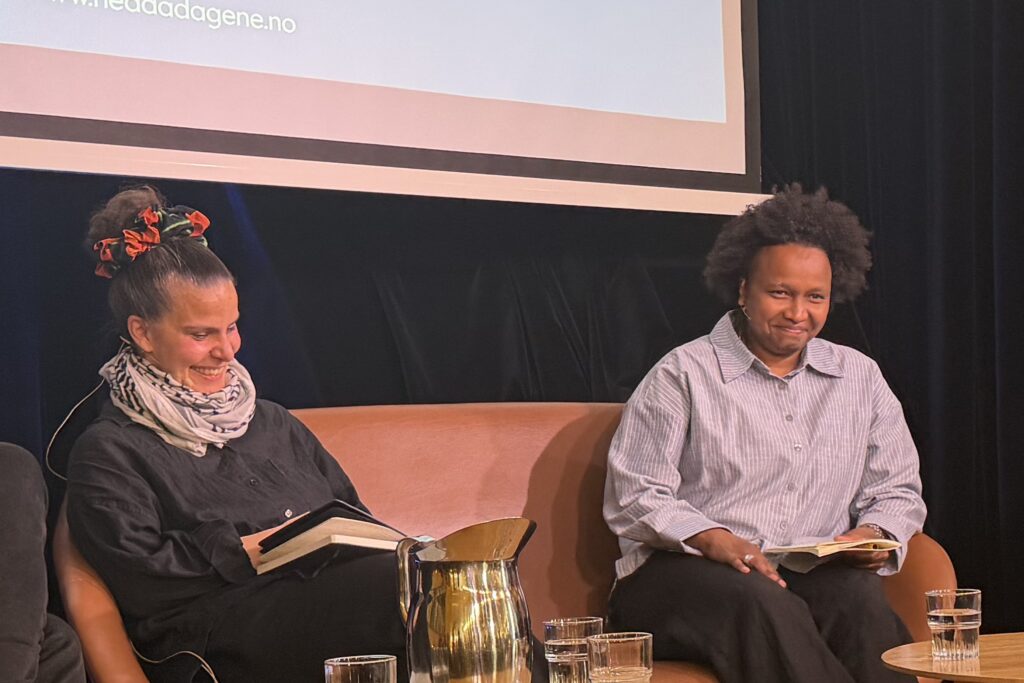
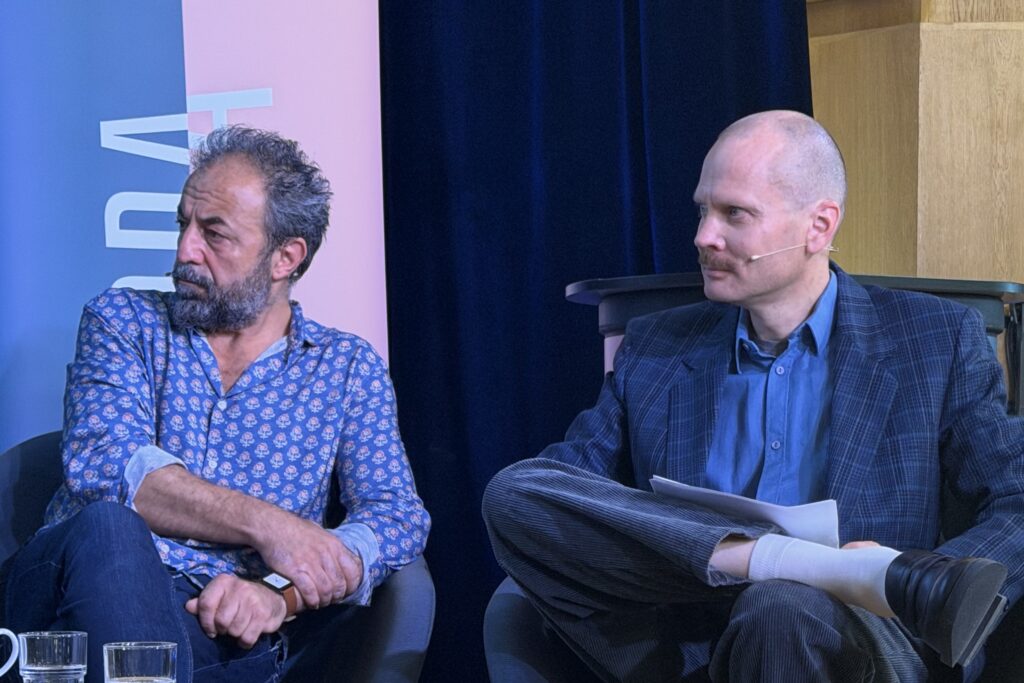
How can the performing arts strengthen democracy in a time of unrest and growing differences? That was the starting point then Kloden theatre invited a researcher and several cultural actors to a conversation during the theatre festival The Hedda Festival .
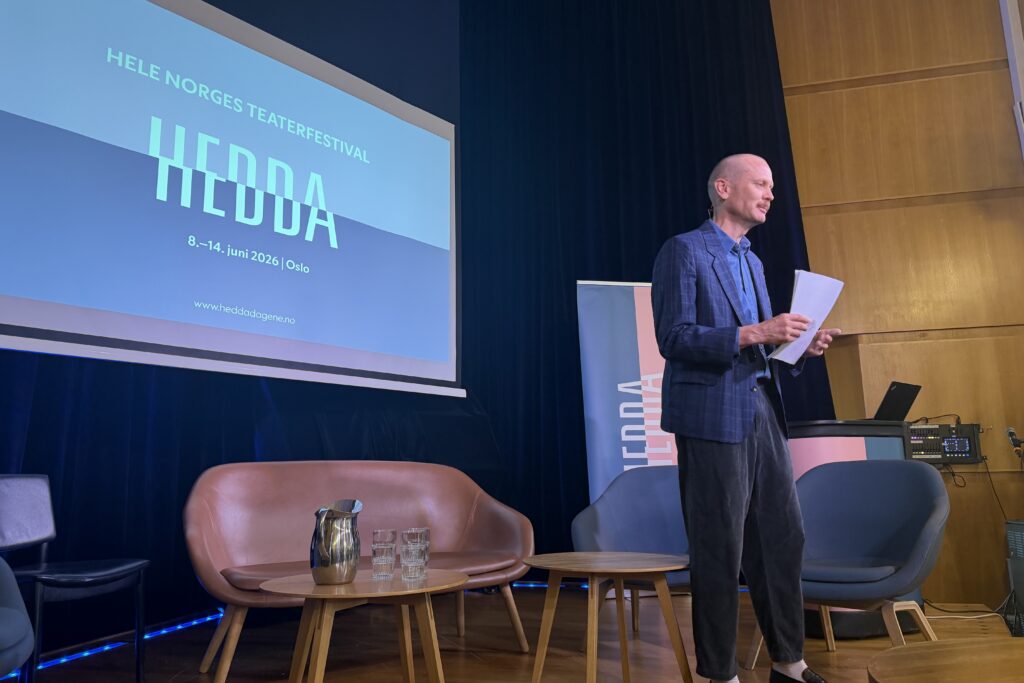
Initially, professional advisor Eirik Willyson drew at Kloden theatre is a picture of threats to democracy. Outsiders, a harsher climate for expression and threats against politicians and public debaters are trends that characterize both Norway and other countries.
At the same time, we see internationally how democratic rights can be quickly curtailed.
In this landscape, art and culture are highlighted as part of society's preparedness. Art can build community while also shedding light on phenomena that otherwise receive little public attention.
Class, access and belonging
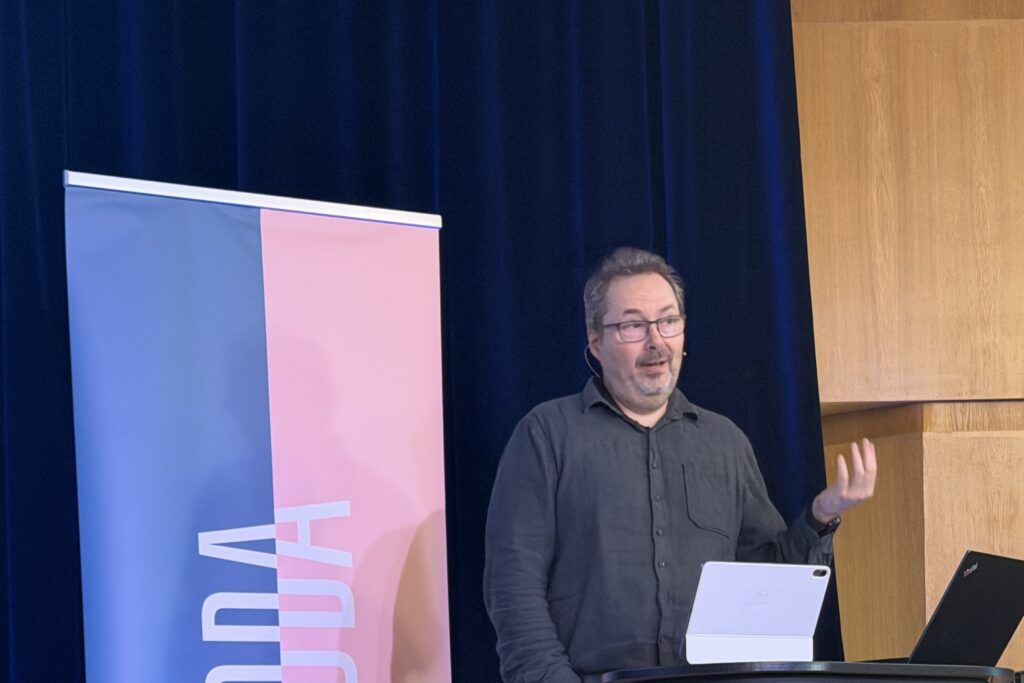
Sociologist Jan Fredrik Hovden (UiB) presented research showing that audience patterns in the theatre have been stable over a long period of time. Around 40 percent of the population goes to the theatre, but this group is far from a cross-section of the population.
– Participation is strongly influenced by education and social background, said Hovden.
He pointed out that class divisions are still evident, despite decades of cultural policy measures:
- Recruitment to the art field is largely determined by class
- People with higher education go to the theater more often
- Social differences in cultural consumption are as evident in cities as in rural areas.
It's not just about price and availability.
– It's also about familiarity. About experience, and about feeling at home in the art space, said Hovden.
At the same time, he emphasized that the field of art does not only reproduce inequality. There is also room for ruptures, new voices, and social breakthroughs.
When art moves out
Performing artist Mine Nilay Yalcin shared experiences from her work outside of institutions, including with the project Asfaltpuls .
– If the theater doesn't have room for you, you have to create the space yourself, said Yalcin.
Through performances in schoolyards, subway stations and on the streets, she reached an audience that rarely visits traditional theater spaces. She has continued this work in the project Sirkus Grønland , which highlights diversity in an area that is often stigmatized.
Yalcin pointed out that both institutions and media help shape which stories are told.
"We need to own our own stories. It's also a democratic struggle," she said.
A broader perspective on diversity
The conversation also challenged a narrow understanding of diversity. It is not just about representation on stage, but also about structures and practices.
Diversity can be about:
- class and social background
- which artistic expressions are allowed
- how processes and collaboration are organized
Nasra Ali Omar from Transcultural Arts Production called for more action.
– Youth must take their place and define themselves. Diversity work must be practice, not just politics, she said.
She also challenged the concept of "outsiders".
– Many may be outside one arena, but at the same time within other communities, she pointed out.
Institutions with power and responsibility
From the museum field, Gazi Özcan highlighted the role of institutions as stewards of both trust and narratives.
– We choose what is shown, but also what is not shown, said Özcan.
The public often perceives what is presented as a form of truth. This gives institutions a great responsibility – not only for the content, but for who is allowed to participate.
Several pointed out that real participation in the cultural sector must start early, already in the idea phase, and not come as an add-on afterwards. Experiences from working with youth in Greenland show that collaboration can provide new perspectives and strengthen the sense of belonging.
What's next?
The discussion pointed to several specific challenges for the field:
- Active inclusion: It's not enough to just open the doors – institutions must reach out to new groups
- Plain language: How art is communicated affects who feels invited
- Collaboration: Democratization requires efforts across sectors
- Strengthening the free field: Important in the face of political and economic uncertainty
- Clarification of value: Art must be made visible as part of the welfare society
Examples from, among others, the St. Olav's Festival in Trondheim showed that clear communication and a low threshold can open the doors to new audience groups on a large scale.
Between resistance and opportunity
The conversation painted a nuanced picture of the performing arts field today. On the one hand, there are structural barriers and established patterns. On the other hand, there are concrete projects that are already challenging them.
– The theater is a place where society can encounter what it would rather avoid, said Hovden towards the end.
Perhaps this is precisely what lies in the democratic power of the performing arts: the ability to open space for the uncomfortable, the unknown, and that which otherwise has no place.
The event left the audience with a double realization: The work of democratizing the performing arts is demanding, but absolutely necessary. And it is a work that is already underway, in the meeting between artists, institutions and the audience.