New meeting place will bring together Oslo's professional art and culture sectors
January 22, 2026
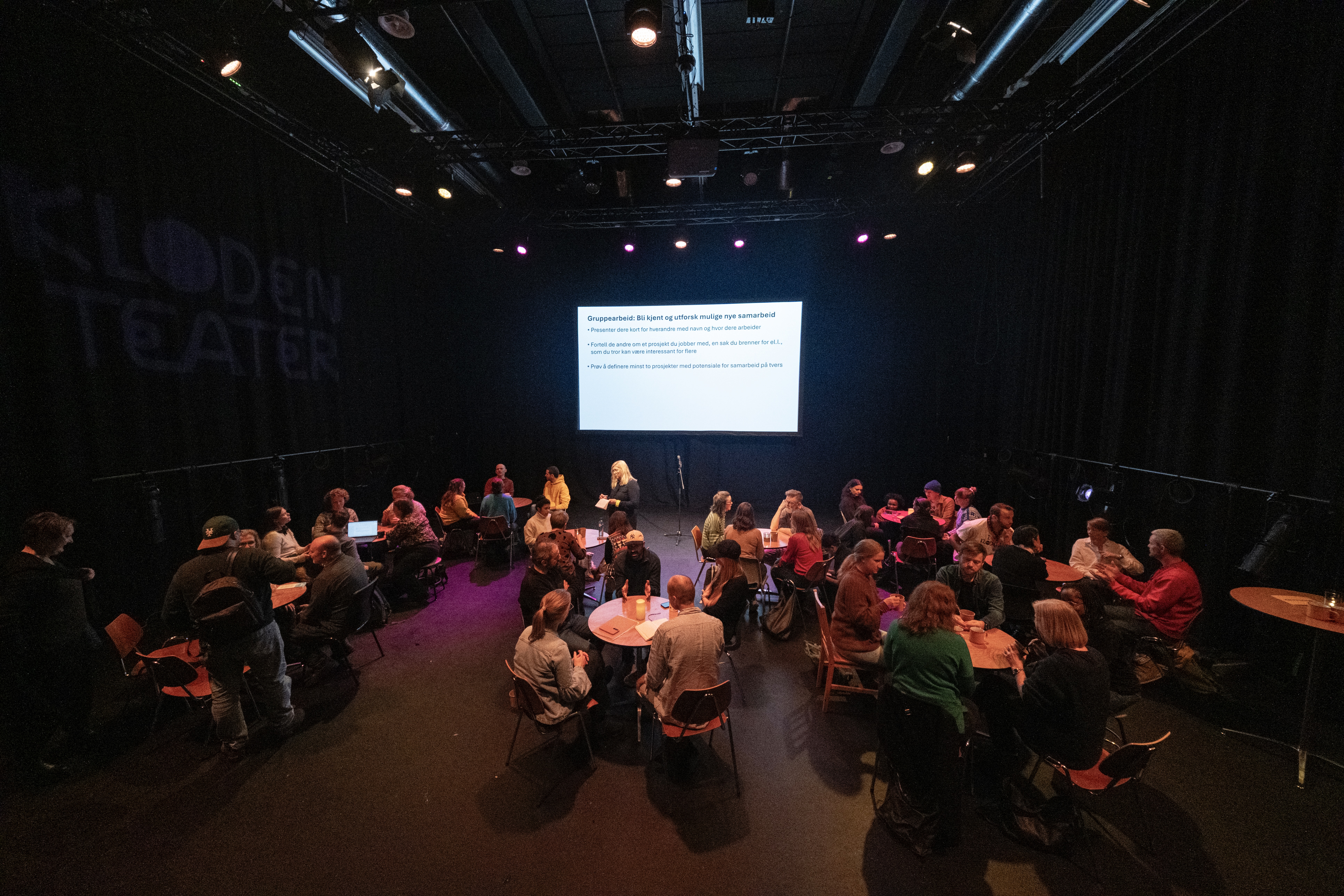
On January 14th, the first edition of "Meeting place for the professional art and culture field in Oslo" was held at Pilotscenen The new meeting place will strengthen collaboration, knowledge sharing and dialogue across disciplines in Oslo's arts and cultural life, and bring together actors who work daily within different disciplines and structures.
Oslo City Councilor for Culture and Industry, Anita Leirvik North (H) , opened the gathering and emphasized the need for more open, low-threshold meeting places in cultural life.
– We need arenas where the cultural field can meet, work together and develop new ideas across disciplines, said Leirvik North in her presentation, in which she also explained the city council's cultural policy goals and priorities.
The city councilor pointed out that cultural life is at a time when democracy is under pressure, and that art and culture play a crucial role in ensuring space for expression, community and participation. At the same time, she was clear that increased public funding cannot be expected in the future.
– Then we must use resources wisely and get more culture for every krone, she said, highlighting co-location, collaboration and sharing of expertise as important strategies.
North also highlighted the importance of volunteering and the need to establish good cultural habits early in life. She expressed great enthusiasm for Kloden theatre as an arena, and pointed to the special potential of the place as a first encounter with performing arts for children and young people. According to the city councilor, such spaces are crucial for lowering the threshold for participation and giving children experiences with art and culture as a natural part of everyday life.
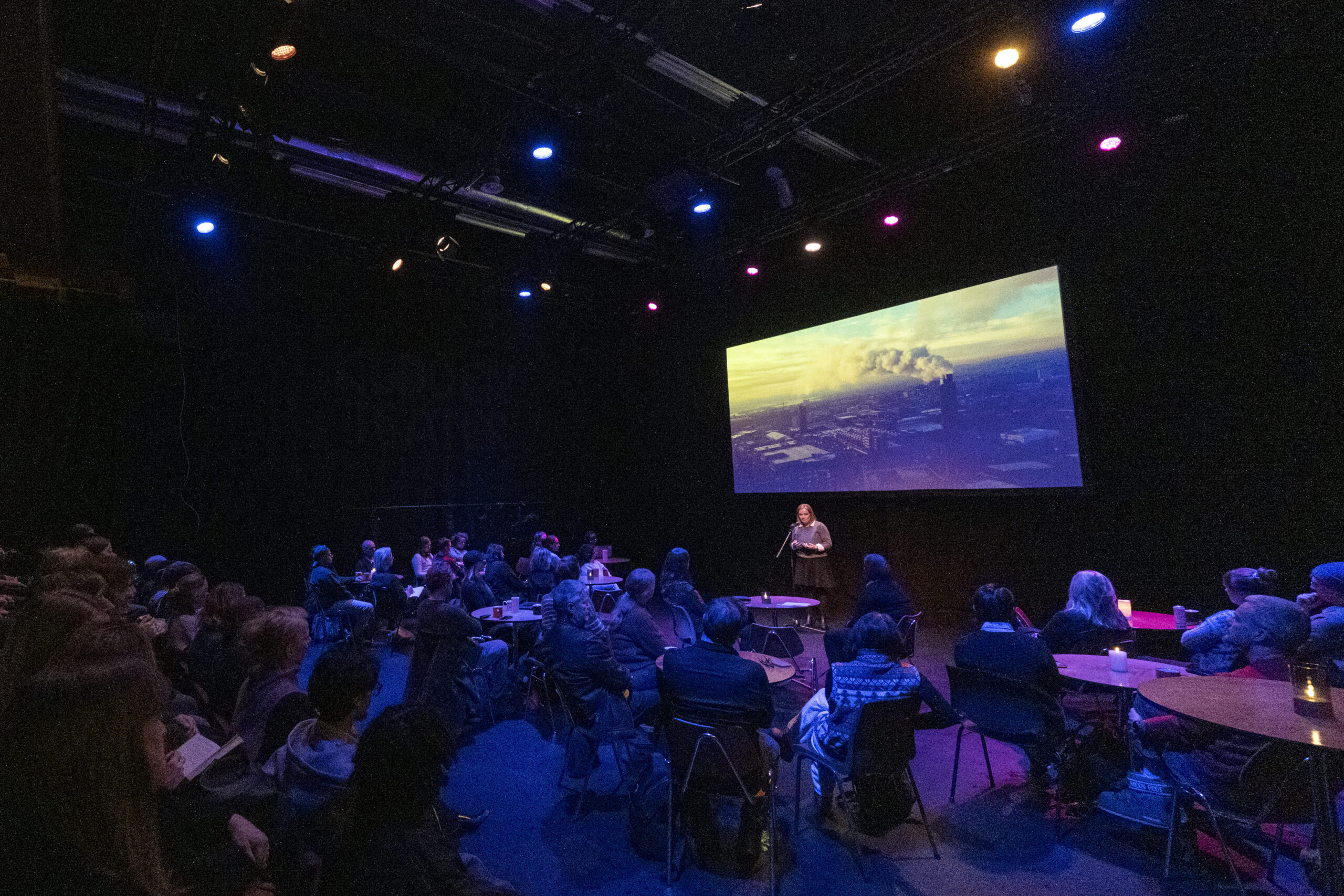
Photo: Farhad Soufi
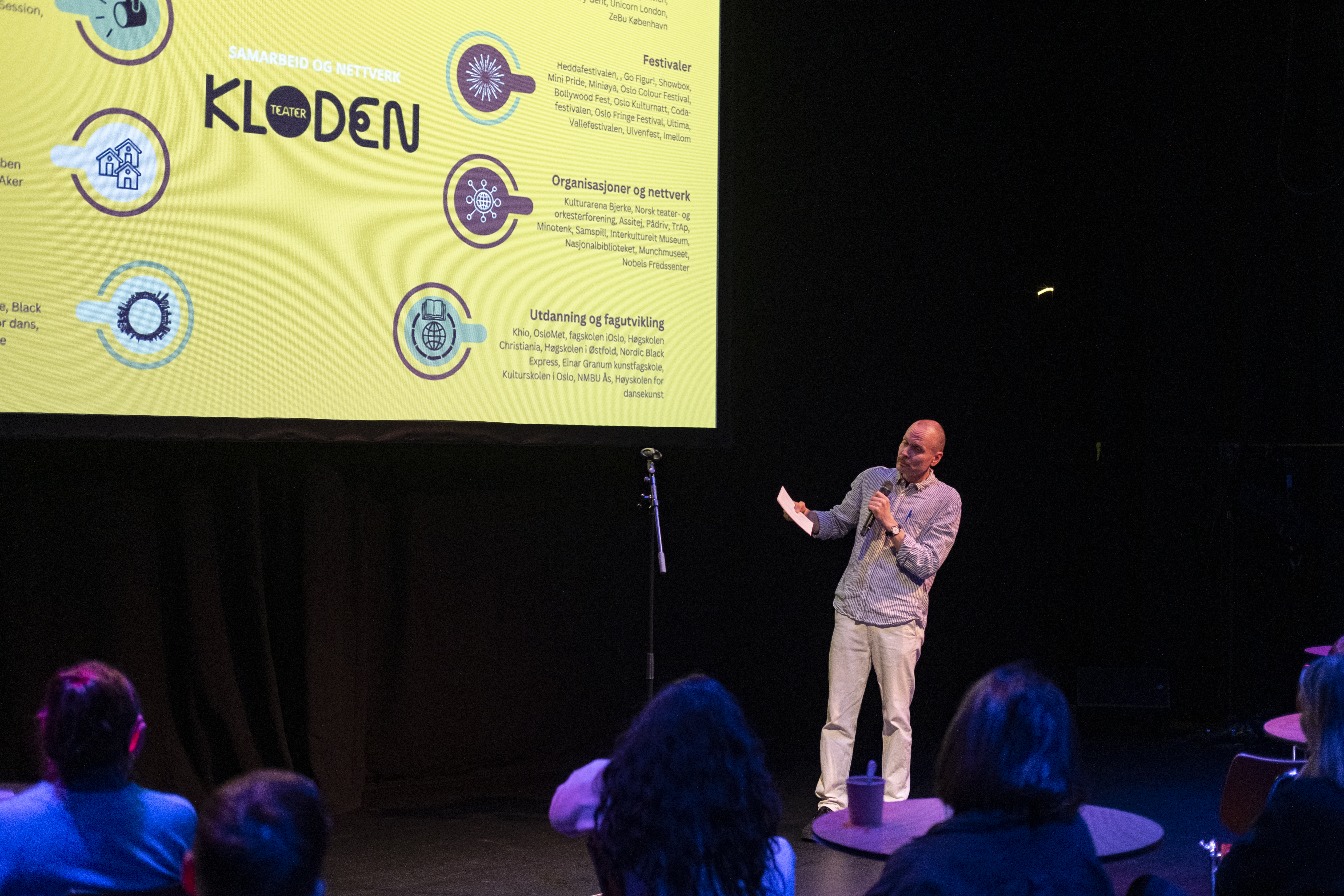
Photo: Farhad Soufi
Kloden theatre as a production community and third place
Among the speakers was Eirik Willyson, academic advisor at Kloden theater. He told about Kloden theatre as a long-awaited production community for performing arts for children and young people in Oslo.
There was a lack of a programming theater and a dedicated production environment for the independent performing arts field, said Willyson.
He presented sketches of the new building, which will be located in Kabelgata – in the middle of Norway's largest urban development area. Kloden Theatre should be both a production community and an open and inviting meeting place – a "third place" – with affordable tickets and high artistic quality.
– We are completely dependent on new collaborations and new ways of working, both with educational institutions and local actors, he said.
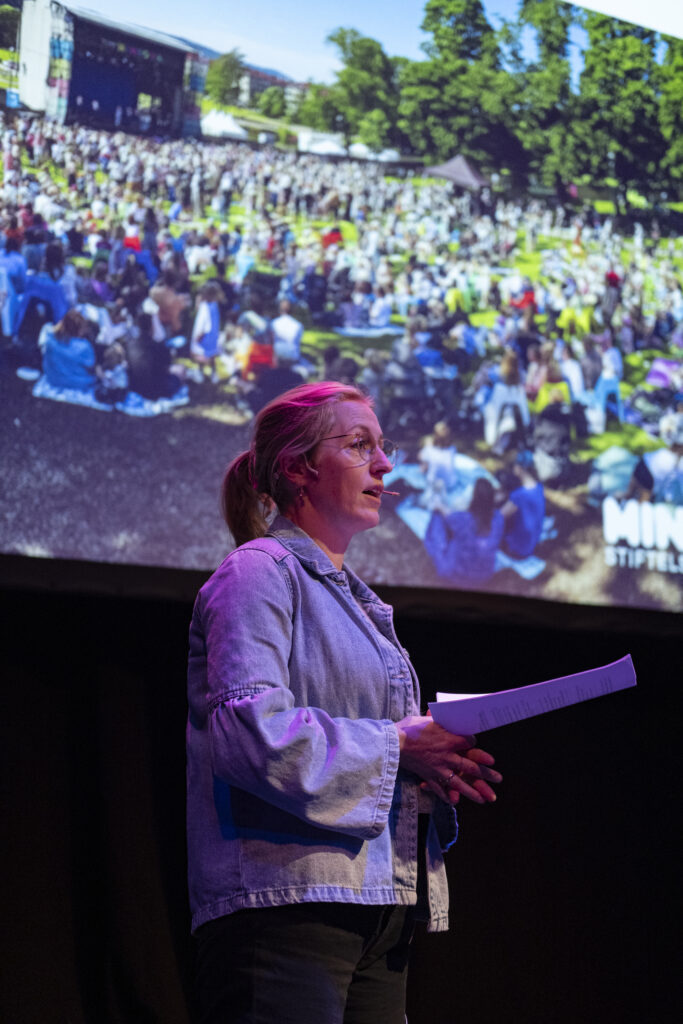
Photo: Farhad Soufi
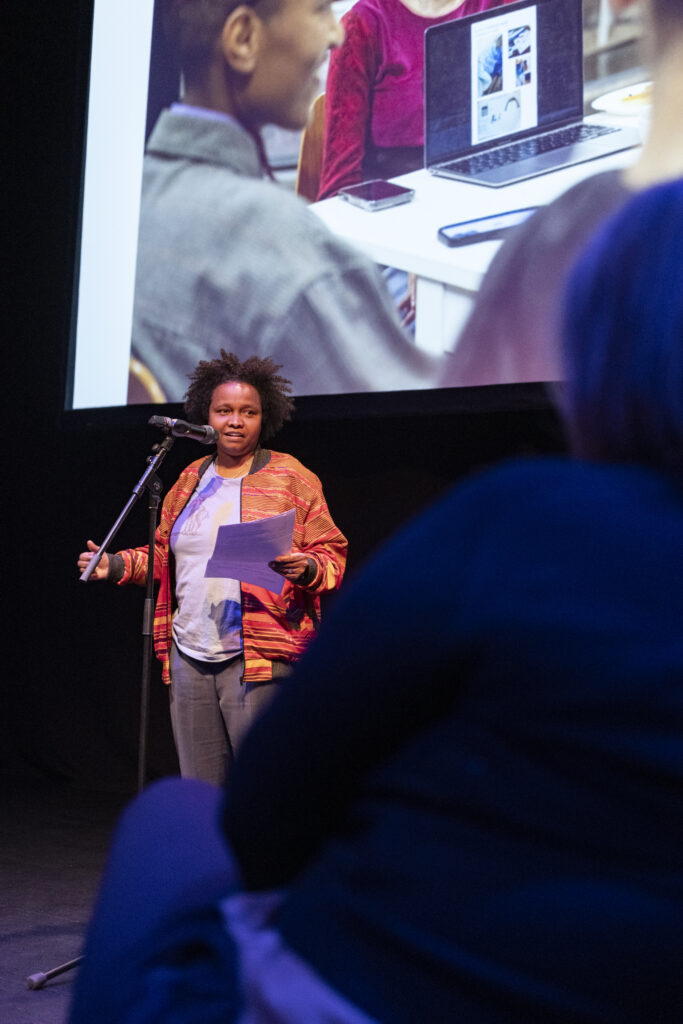
Photo: Farhad Soufi
The audience in the center
Managing Director of Miniøya , Solveig Riiser, shared experiences with audience development and area analyses. Miniøya conducts audience surveys after each festival, to understand who is coming and why.
80–90 percent of the audience says they will come back after attending the festival, Riiser said.
At the same time, she pointed to challenges with recruitment, especially because the target group is constantly changing: “We have to reach new children every year. It is also more difficult to retain children aged 8–12, because their interests change quickly.”
Miniøya continuously works with targeted marketing and places great emphasis on ensuring that the festival is designed on children's terms.
“If you have a good first experience, you will come back. Reputation and word of mouth are crucial,” said Riiser.
Diversity as a quality driver
Nasra Omar, CEO of Transcultural Arts Production (TrAP), addressed issues of quality and diversity in the arts. She challenged established notions of what quality is and who defines it.
Diversity is often talked about as something that doesn't concern "us." We need to get away from that, said Omar.
She pointed to the lack of access to production equipment as a structural problem, and referred to TrAP's work with low-threshold initiatives such as "Key to the City" and newspaper projects that highlight new voices and artistry.
– Quality does not arise by itself. It comes through working hours, opportunities to make mistakes, and space to challenge ourselves. Diversity strengthens quality, she said, emphasizing the need for real frameworks, such as production spaces and open institutions.
Omar also highlighted Kabelgata and Kloden theatre as important initiatives for the entire cultural life in Oslo.
– This may be something that culture needs now.
Fertile ground for new collaborations
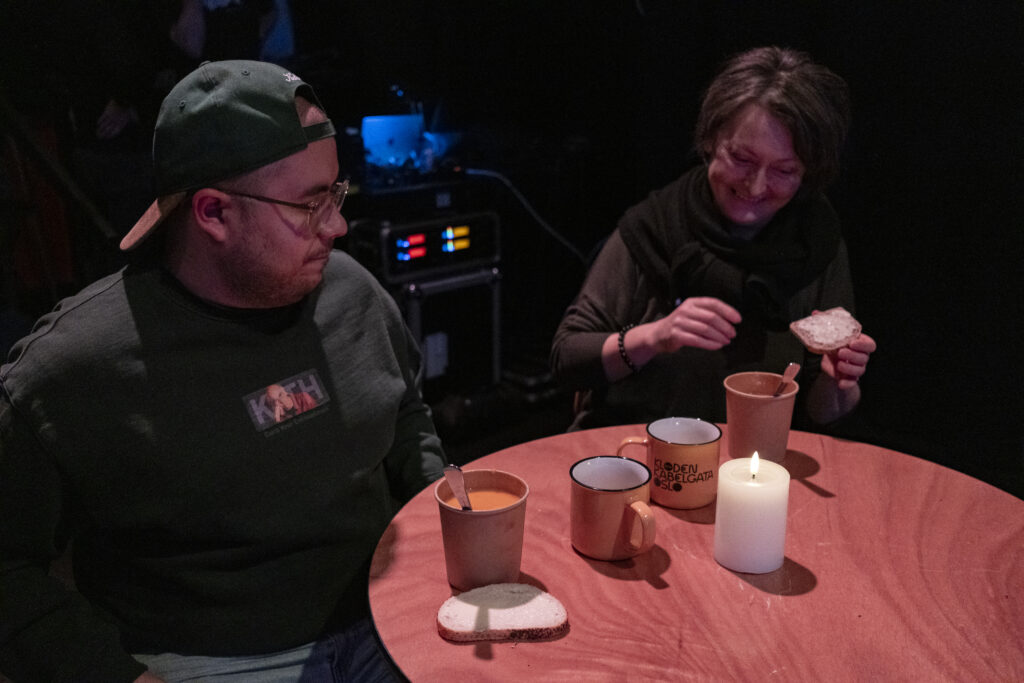
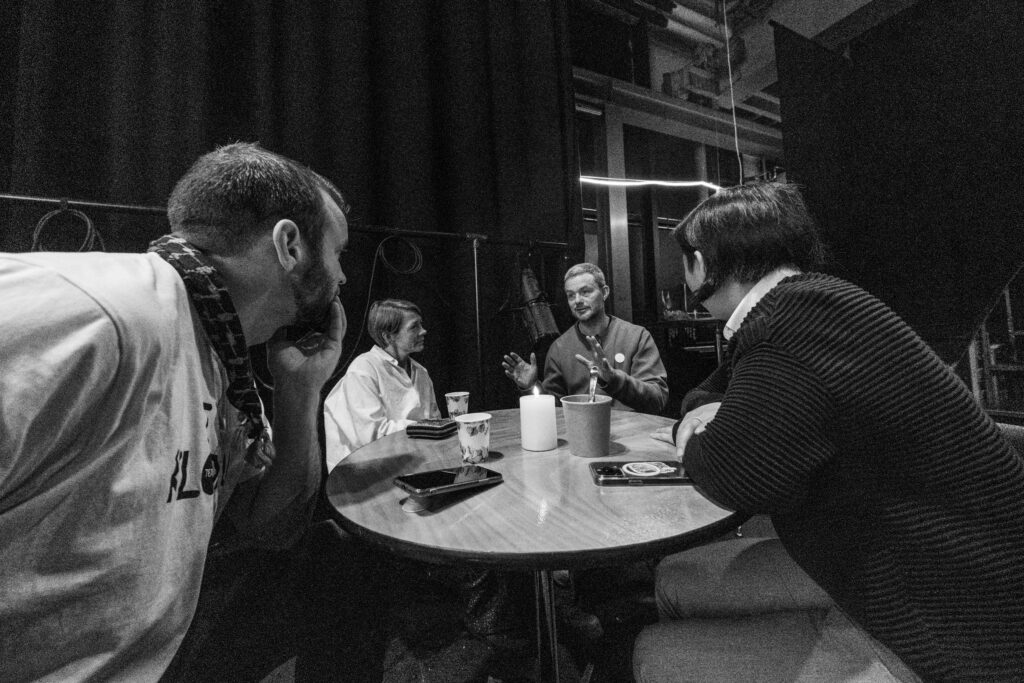
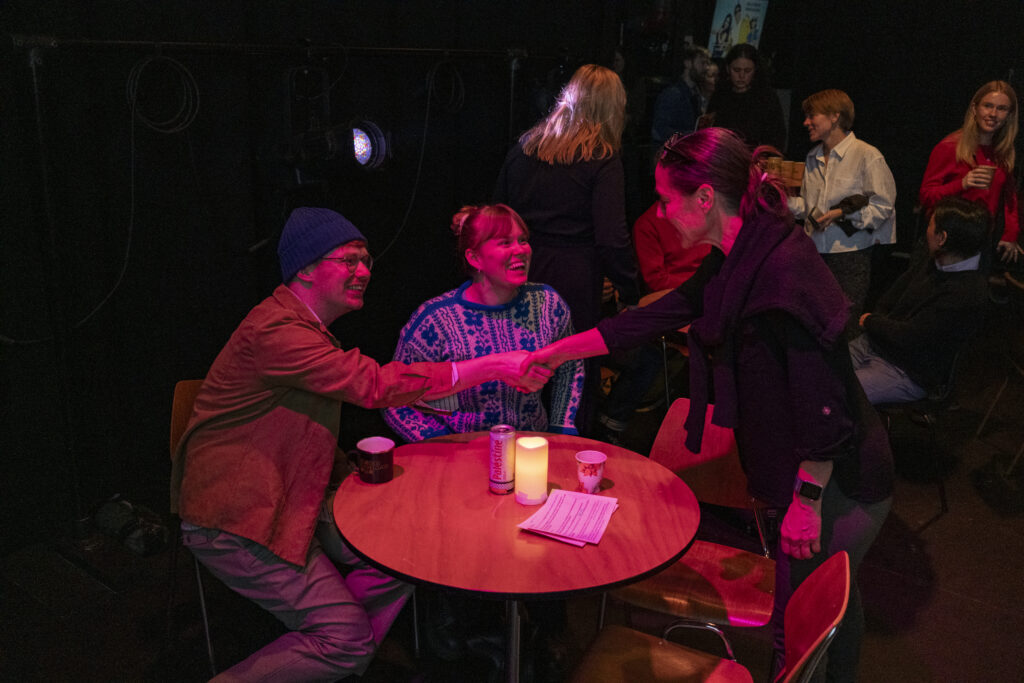
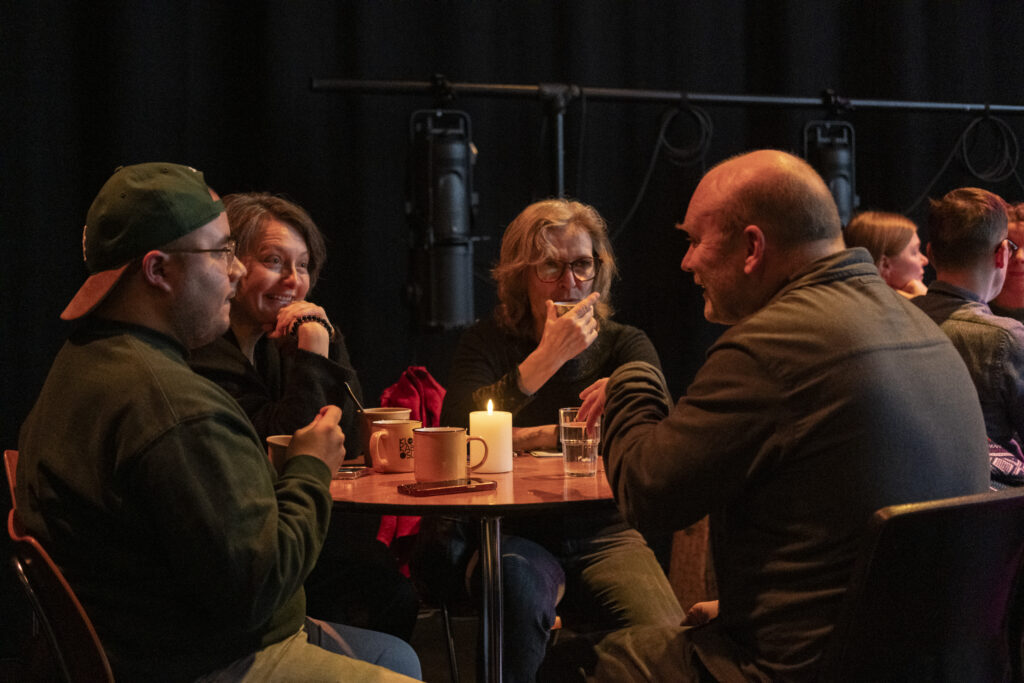
The event concluded with informal dialogue and idea development around small tables. The goal was to create space for conversations that can provide fertile ground for new projects, collaborations, and further development of the meeting place concept.
The ambition is clear: The meeting place will become a joint project for the cultural field itself. A place where professional enrichment, networking and new ideas can flourish.